When a product depends on strength, fit, and long-term reliability, fasteners become much more than small connecting parts. In many industries, custom-engineered fasteners are designed to solve specific assembly challenges, improve durability, and support performance in demanding environments. That is why choosing the right manufacturing partner can make a major difference.
Whether you are developing equipment for automotive systems, electrical assemblies, industrial machinery, robotics, or pump applications, working with a partner who understands custom fastener manufacturing can help reduce risk, improve consistency, and speed up production.
Why custom-engineered fasteners matter
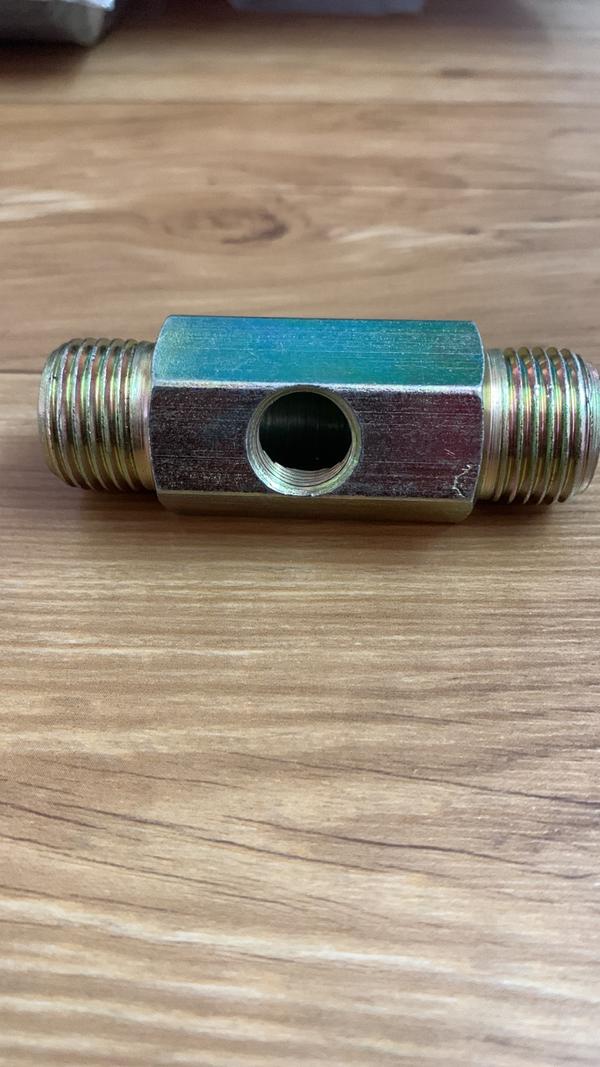
Standard fasteners work well for many general applications, but they are not always the best choice when products have unique design requirements. Custom-engineered fasteners are created to match specific dimensions, materials, coatings, tolerances, and load conditions.
They are often used when a design requires:
- A non-standard shape or size
- Higher strength or corrosion resistance
- Better fit in compact assemblies
- Improved vibration resistance
- Compatibility with specialized materials
- Greater reliability in harsh operating conditions
In industries where equipment failure can lead to downtime, safety concerns, or costly repairs, the right fastener design becomes a critical part of the overall product engineering process.
The key benefits of working with a manufacturing partner
1. Better design alignment
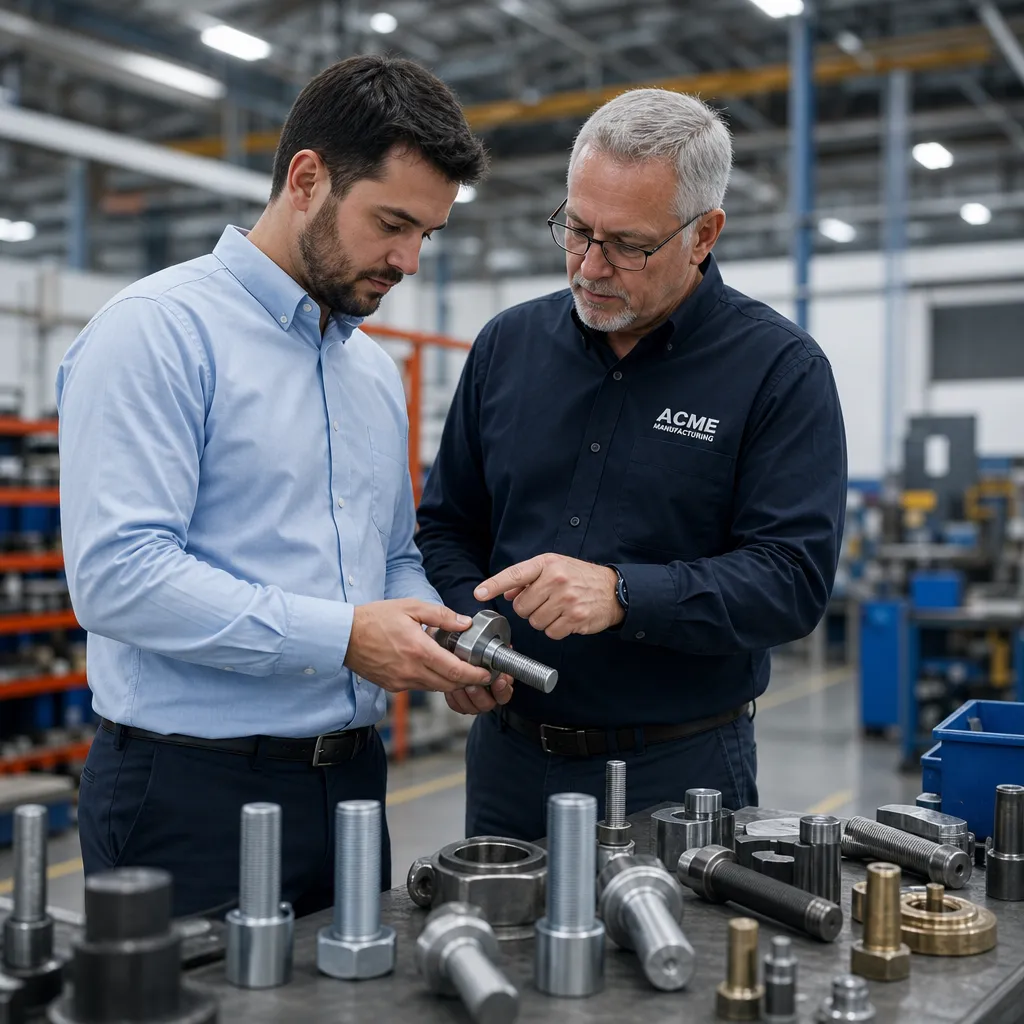
A manufacturing partner can help translate engineering requirements into a practical component that can actually be produced consistently. This matters because even a well-designed fastener on paper may face challenges in machining, threading, heat treatment, or surface finishing.
A good partner helps ensure the fastener is:
- Manufacturable at scale
- Compatible with assembly methods
- Properly sized for the application
- Tested for strength and repeatability
This early collaboration can save time later by reducing design revisions and production delays.
2. Access to technical expertise
Custom fasteners often require knowledge of materials, machining processes, tolerances, and quality control. A capable manufacturing partner brings hands-on experience with these factors and can advise on practical improvements.
For example, they may recommend:
- A more suitable metal grade for wear or corrosion resistance
- A geometry adjustment to improve load distribution
- A machining process that improves consistency
- A finishing option that supports longer service life
This kind of technical guidance is especially valuable for OEMs and product development teams that need dependable parts without overcomplicating the sourcing process.
3. Consistent quality across batches
One of the biggest advantages of a reliable manufacturing partner is repeatability. Custom-engineered fasteners may be produced in development quantities first and then scaled into larger production runs. In both cases, dimensional accuracy and process consistency are essential.
A strong quality system typically includes:
- Incoming material inspection
- In-process quality checks
- Final inspection and testing
- Traceability of raw material and production batches
- Documented process controls
This level of control helps ensure that the parts used in one production batch match the next, which is critical for assembly reliability and field performance.
4. Lower long-term production risk
Fasteners may seem small, but a faulty part can create major problems. Thread issues, incorrect tolerances, poor material selection, or inconsistent finishing can all lead to assembly failures, product recalls, or customer complaints.
Working with the right manufacturer helps reduce those risks by:
- Identifying issues before mass production
- Improving component reliability
- Supporting controlled process changes
- Maintaining documented quality records
In many cases, the cost of partnering with an experienced manufacturer is far less than the cost of troubleshooting repeated failures later.
5. Faster product development
Custom parts often slow projects down when sourcing is fragmented. A manufacturing partner that can handle development, machining, inspection, and production under one roof can shorten lead times.
This can help teams:
- Test prototypes faster
- Move from sample to production more smoothly
- Avoid delays caused by multiple vendors
- Make revisions with better feedback from the shop floor
For companies operating in competitive markets, faster development can be a major advantage.
6. Better support for specialized applications
Different industries place different demands on fasteners. A component used in robotics may require precision and compact design, while one used in heavy machinery may need strength and fatigue resistance. An effective manufacturing partner understands these application-specific needs.
This is especially important in sectors such as:
- Automotive
- Electrical equipment
- Gear systems
- Pumps
- Industrial machinery
- Robotics
- Engineering assemblies
In each case, the fastener must perform reliably in the environment where it will actually be used.
What to look for in a manufacturing partner
Not all manufacturers are equally prepared to produce custom-engineered fasteners. Before selecting a supplier, it helps to evaluate a few important capabilities.
Engineering and machining capability
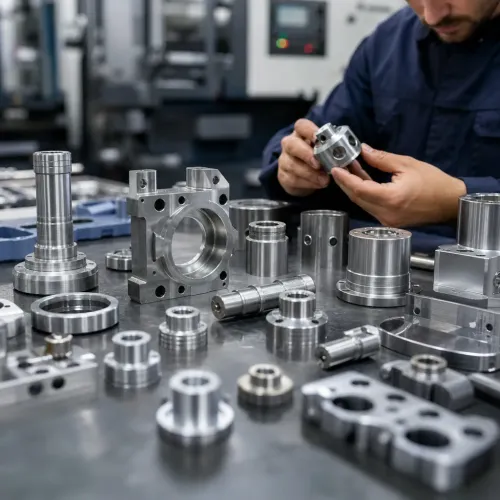
Look for a partner with both CNC and conventional machining experience. This allows flexibility in handling prototype work, batch production, and specialized parts with different geometry or tolerance needs.
Quality management systems
A structured quality system is essential for custom parts. Certifications, process discipline, traceability, and inspection procedures all help reduce variation and improve confidence in the final product.
Material handling and traceability
When components are used in critical assemblies, it is important to know where the raw material came from and how it was processed. Strong traceability supports accountability and quality consistency.
Ability to support development projects
Some suppliers are good at repeat production but weak during the development stage. If your part is still evolving, choose a partner that can collaborate on design refinement, sample development, and process optimization.
Delivery reliability
Even the best component can become a problem if it arrives late. Reliable scheduling and on-time delivery are essential, especially for OEMs and Tier-1 supply chains.
Common misconceptions about custom fasteners
“Custom always means expensive”
Not necessarily. While custom-engineered fasteners can cost more than standard items, they may lower total cost by reducing assembly issues, improving product life, and minimizing rework.
“Any machine shop can make them”
Making a custom fastener is not just about cutting metal. It requires understanding tolerances, material behavior, thread quality, inspection, and process repeatability.
“Prototype and production can be handled separately without issues”
In reality, choosing different suppliers for development and production can create inconsistencies. A partner that can support both stages helps preserve design intent and quality.
How a good partner adds value beyond manufacturing
The best manufacturing partners do more than simply make the part. They help improve the whole process around it.
That can include:
- Reviewing drawings for manufacturability
- Suggesting material or process improvements
- Supporting documentation and inspection requirements
- Helping standardize quality expectations
- Scaling from sample to full production
For companies developing precision assemblies, this broader support often matters as much as the component itself.
A practical example from the field
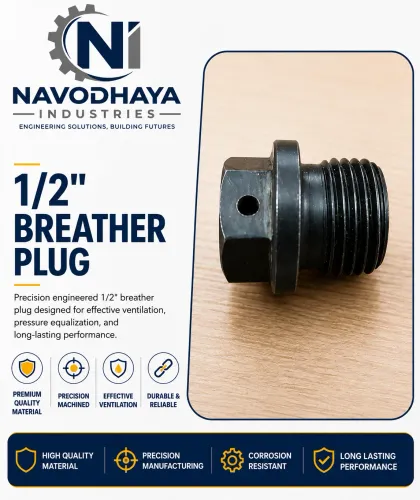
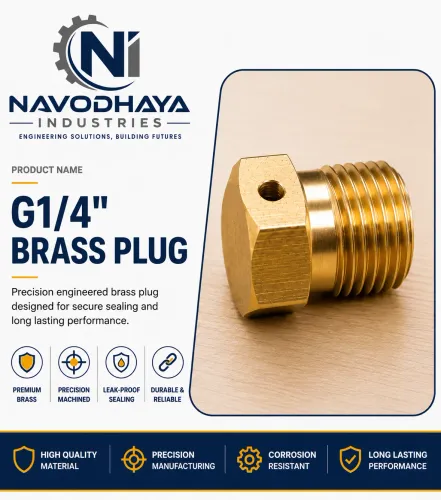
In Coimbatore, an engineering and manufacturing hub known for precision production, companies like Navodhaya Industries support industries that require turned and machined components as well as custom-engineered fasteners. In such environments, the value of a manufacturing partner is not just in machining parts, but in helping customers maintain quality, consistency, and delivery performance across demanding applications.
That kind of support is particularly useful when parts are intended for OEM supply chains or need to meet strict inspection and traceability expectations.
Final thoughts
Working with a manufacturing partner for custom-engineered fasteners offers clear benefits: better design fit, stronger quality control, faster development, reduced production risk, and more consistent performance in the field. For companies building products where precision matters, the right partner can become a real advantage.
If the application is complex, the tolerances are tight, or the end use is critical, custom fasteners are not just a purchasing decision — they are part of the product engineering strategy.
If you'd like, I can also turn this into:
- a more SEO-optimized version,
- a shorter blog post,
- or a version tailored specifically for automotive, electrical, or industrial machinery buyers.
Keywords