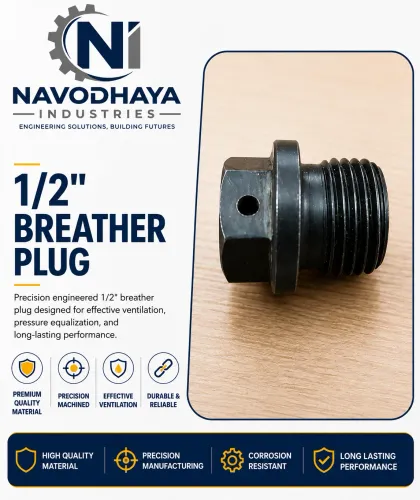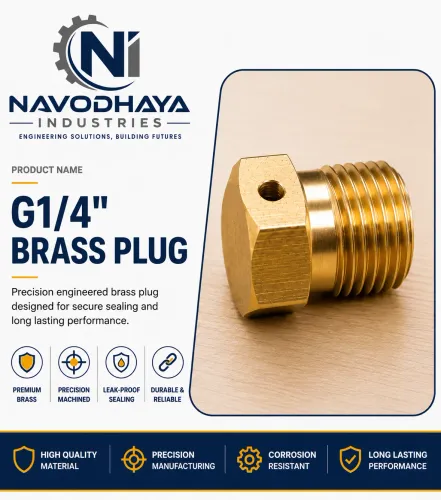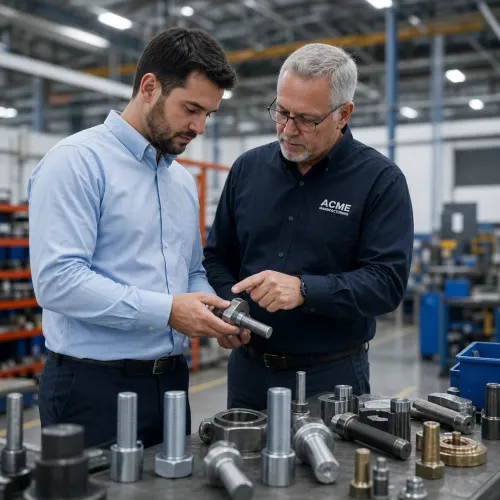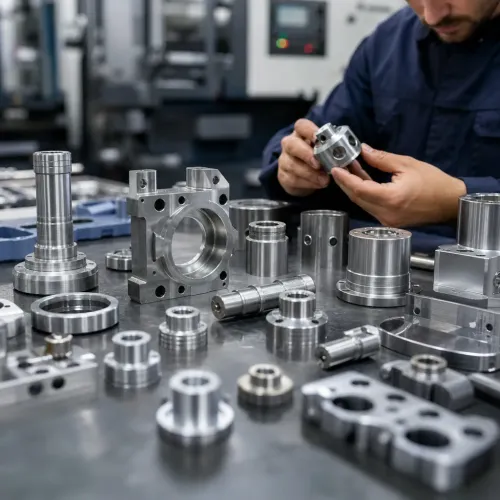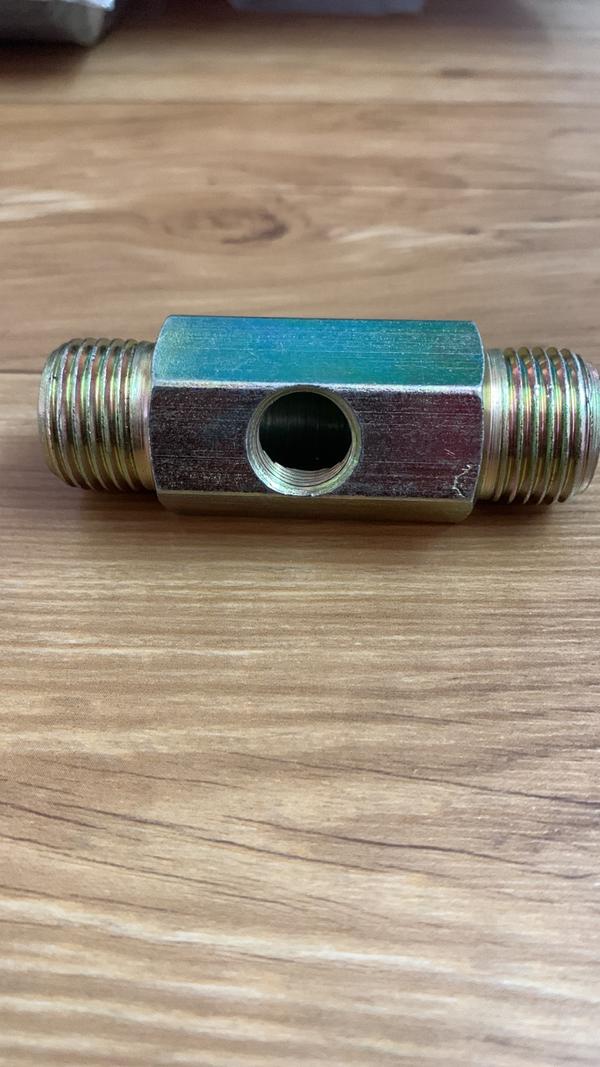
Custom fasteners may look like small parts, but they often play a critical role in how reliably a product performs. Whether they are used in automotive assemblies, electrical systems, industrial machinery, pumps, robotics, or gear-driven equipment, the wrong fastener can lead to loosening, corrosion, assembly issues, or premature failure.
If you are sourcing custom fasteners for a new product or replacement application, choosing the right manufacturer matters as much as the design itself. The best supplier is not always the cheapest one or the one with the shortest lead time. It is the one that can consistently deliver the right combination of precision, material quality, traceability, and production capability.
Why the Manufacturer Choice Matters
Custom fasteners are rarely one-size-fits-all. They are often made to suit a specific load, fit, environment, coating, or assembly method. That means the manufacturer must understand more than just dimensions. They must also understand:
- Material behavior
- Strength and durability requirements
- Tolerance control
- Surface finish expectations
- Application environment
- Production repeatability
A good design can still fail if the manufacturing process is inconsistent. That is why selecting the right manufacturer is a technical decision, not just a purchasing one.
Start With the Application, Not Just the Drawing
Before comparing suppliers, be clear about how the fastener will be used. A manufacturer can judge suitability much better when they know the real operating conditions.
Ask questions such as:
- Will the fastener face vibration or shock loading?
- Is corrosion resistance important?
- Will it be exposed to heat, moisture, chemicals, or dust?
- Is it for high-volume production or a limited development batch?
- Does it need to match an existing assembly standard?
- Are there critical dimensions or torque requirements?
The more complete your application brief, the easier it becomes to identify a capable manufacturer.
Check Their Manufacturing Capabilities
Not every fastener supplier can handle custom work well. Some are better suited to standard catalog items, while others have the machining, tooling, and process control required for specialized parts.
Look for capabilities such as:
- CNC machining and conventional machining
- Turning, threading, drilling, milling, or secondary operations
- Batch production as well as development support
- Ability to work with different metals and alloys
- Support for tight tolerances and repeatable output
For custom fasteners, process flexibility is a major advantage. It allows the manufacturer to develop prototypes, refine geometry, and scale up without changing vendors midstream.
Evaluate Quality Systems Carefully
Quality in fastener manufacturing is not just about inspection at the end. It begins with raw material control and continues through every stage of production.
A reliable manufacturer should have a clear quality system that includes:
- Incoming material inspection
- In-process checks
- Final inspection and testing
- Traceability for materials and batches
- Documented training and process control
- Corrective action and continuous improvement
If the fastener is used in a critical assembly, traceability becomes especially important. It helps identify where a batch came from, how it was processed, and whether any issues need to be contained quickly.
Ask About Material Knowledge
Custom fasteners can be made from a wide range of materials depending on strength, conductivity, corrosion resistance, or wear performance. But choosing the right material is not just a purchasing decision — it is a performance decision.
A good manufacturer should be able to guide you on:
- Mild steel vs alloy steel
- Stainless steel grades
- Brass, bronze, aluminum, or special alloys
- Heat treatment needs
- Coating or surface finishing options
If the supplier cannot discuss material suitability in practical terms, that can be a warning sign. Fastener performance often depends on material selection as much as geometry.
Review Their Experience With Your Industry
Different industries have different expectations. A fastener used in an electrical product may need different characteristics from one used in gear manufacturing or an industrial pump.
Experience in your sector can make development faster and reduce trial-and-error. A manufacturer familiar with your industry is more likely to understand:
- Load and vibration concerns
- Assembly methods
- Dimensional consistency requirements
- Regulatory or customer-specific standards
- Long-term supply expectations
This is one reason buyers often prefer suppliers who have worked across automotive, electrical, machinery, robotics, and engineering applications.
Look for Development Support, Not Just Production
The right manufacturer should help you refine the part, not simply produce it. In custom fastener sourcing, development support often saves time and cost later.
That support may include:
- Design feedback for manufacturability
- Prototype or sample development
- Tolerance optimization
- Process suggestions to improve consistency
- Recommendations for tooling or finishing
This is especially useful when a part is being created for a new product launch or an upgrade from an existing component.
Don’t Ignore Delivery Performance
Even a technically strong supplier can become a problem if they miss delivery schedules. For production environments, late fasteners can stop assembly lines or delay shipments.
Before finalizing a manufacturer, check whether they have:
- Reliable planning and scheduling systems
- A track record of on-time delivery
- Capacity to handle urgent or repeat orders
- Good communication during changes or disruptions
Delivery discipline is often a strong indicator of overall manufacturing maturity.
Ask for Proof of Consistency
A sample part is useful, but one sample does not prove capability. You want to know whether the manufacturer can make the same part again and again with stable quality.
Useful proof points include:
- Repeat order history
- Customer references
- Inspection records
- Process documentation
- Examples of close-tolerance components already produced
If the fastener will be used in a high-volume or mission-critical application, consistency should weigh heavily in your decision.
Compare More Than Price
It is tempting to choose the lowest quote, especially for parts that seem small or simple. But with custom fasteners, the cheapest option can become the most expensive one if it leads to:
- Higher rejection rates
- Assembly problems
- More inspections at your end
- Frequent supply issues
- Premature product failures
A better comparison looks at total value, including quality stability, responsiveness, and manufacturing expertise.
Questions to Ask Before You Finalize a Supplier
Here is a practical checklist you can use:
- Can you manufacture to my drawing and application requirements?
- What materials do you recommend, and why?
- What tolerances can you consistently hold?
- How do you control incoming and in-process quality?
- Can you support prototype and production quantities?
- What is your typical lead time?
- How do you handle traceability and documentation?
- Have you supplied similar components to my industry?
The answers often reveal much more than a price sheet does.
A Local Manufacturing Advantage in Coimbatore
For businesses sourcing in South India, Coimbatore remains one of the country’s most active engineering and machining hubs. The region is known for its ecosystem of precision manufacturers, tool support, and industrial supply chains.
That matters because custom fastener sourcing is often easier when the manufacturer is close to a strong engineering network. For example, Navodhaya Industries in Coimbatore has been part of this manufacturing environment for decades, producing precision machined components and custom-engineered fasteners for sectors such as automotive, electrical, industrial machinery, gear manufacturing, robotics, and pumps. In situations where buyers need both development support and controlled production, that kind of background can be relevant.
Final Thoughts
Choosing the right manufacturer for custom fasteners is really about risk reduction. You want a supplier who understands your application, can manufacture accurately, manages quality carefully, and delivers consistently.
Before placing an order, focus on:
- Application fit
- Material knowledge
- Process capability
- Quality systems
- Delivery reliability
- Development support
- Long-term consistency
When you evaluate suppliers on these factors, you are far more likely to end up with a fastener that performs well in the field and supports your production goals over time.
Keywords